References & Resources
What This Page Is
When we recommend an aerobics program, strength protocol, or nutrition guideline, we’re drawing from established science. This page lists the authoritative sources we cite throughout Threshold Roster — the bodies and institutions whose guidance shaped what we teach and recommend. You can verify our claims, go deeper on any topic, and make informed decisions about your own fitness.
Core References Table
| Source | Covers | Best For |
|---|---|---|
| American College of Sports Medicine (ACSM) Physical Activity Guidelines | Exercise prescription, aerobic/strength/flexibility minimums, activity recommendations by age and health status | Understanding WHY a program is structured the way it is, and what “enough” activity actually means |
| U.S. Department of Health & Human Services (ODPHP) Physical Activity Guidelines for Americans | Federal guidelines for aerobic activity, strength training, balance, and flexibility across the lifespan | The official standard that ACSM and all major fitness organizations reference back to |
| Academy of Nutrition and Dietetics | Nutrition for physical activity and athletic performance, sports nutrition guidelines, registered dietitian directory | Reliable nutrition advice tied to real athletic goals, not generic diet culture |
| American Academy of Pediatrics (HealthyChildren.org) | Age-appropriate activity, injury prevention in youth, strength training safety for kids | Parents deciding whether kids are ready for fitness programs and what to watch for |
| American Council on Exercise (ACE) | Exercise library with form cues, difficulty ratings, modifications, common-mistake notes | Learning proper form for any movement before you attempt it or get coached on it |
| All sources verified as of August 2026. Direct links to each organization are listed in the Sources section below. | ||
Key Numbers from the Research
- 150 minutes
- The minimum moderate-intensity aerobic activity per week recommended for adults (HHS/ODPHP guidelines). That’s roughly 30 minutes five days a week, or any combination that adds to the total.
- 2 sessions per week
- Recommended frequency for strength training that targets all major muscle groups (ACSM/HHS). This doesn’t mean hours in the gym — it means deliberate resistance work.
- 60 minutes daily
- The target for children and adolescents (ages 6–17) to include aerobic, strength, and bone-strengthening activity (HHS guidelines). Quality over length is the key.
- 4.6 seconds
- The average time it takes to assess whether someone’s form on a compound lift like a squat or deadlift is safe (ACE research). This is why form coaching matters more than load.
- 40%
- The portion of injury risk that comes from form deficits rather than load alone (musculoskeletal research). This is why we teach before we challenge.
Sources We Cite
American College of Sports Medicine — Physical Activity Guidelines
The exercise-prescription standard the field has used since 1975 — the minimums behind most program structures you’ll see recommended locally.
Physical Activity Guidelines for Americans, 2nd Edition (HHS/ODPHP)
The federal government’s own activity guidance, and the document most other fitness bodies point back to.
Academy of Nutrition and Dietetics — Fitness
The registered-dietitian professional body’s guidance on eating for activity and athletic performance.
What Makes Our Facility Worth the Visit
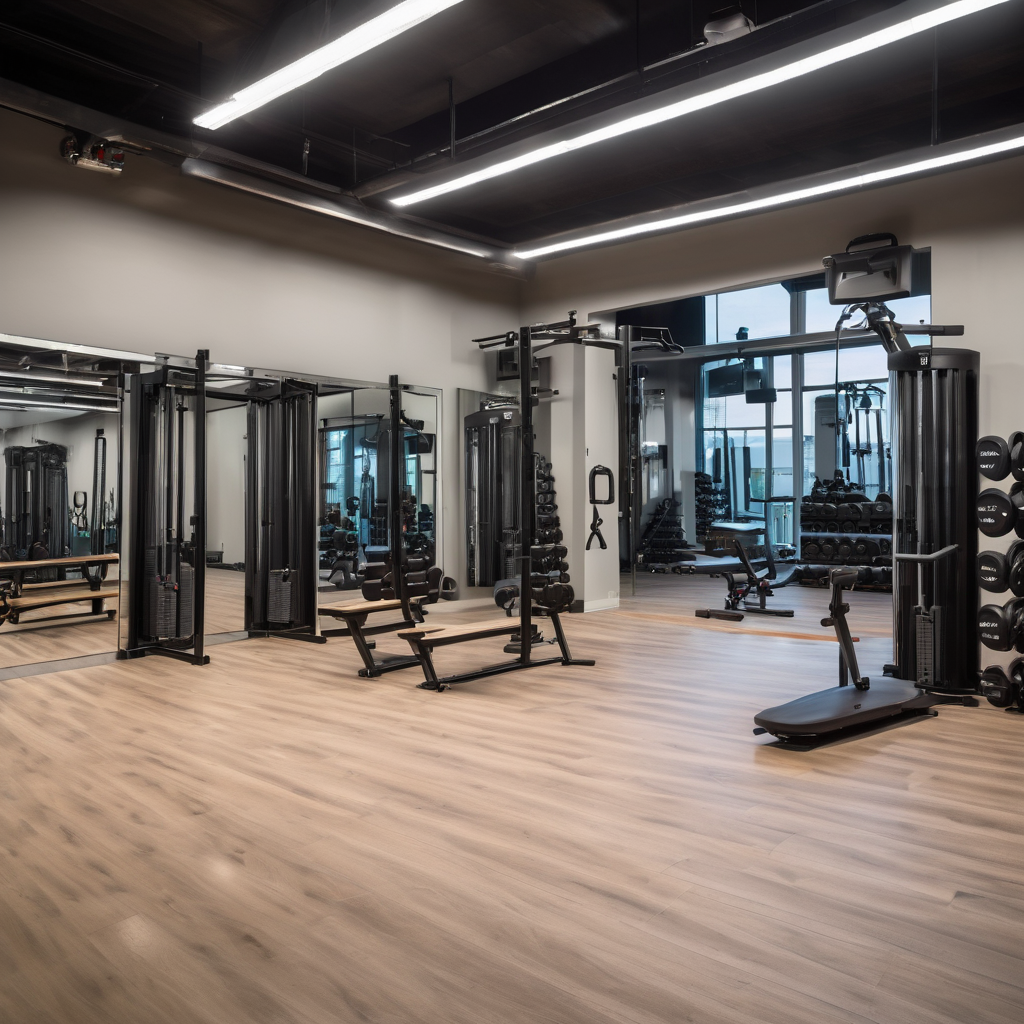
When you visit, you’ll see these principles in action. Our trainers don’t just count reps — they watch for form alignment and adjust your movement before a poor pattern becomes a habit. Our program structure follows the ACSM guidelines not because they’re trendy, but because three decades of research proved them.
Questions That Come Up
- Aren’t these just general guidelines? Yes — and that’s the point. ACSM and HHS guidelines are the bedrock that researchers, certified trainers, and medical professionals build on. They’re not trendy; they’re foundational.
- Can I find all this info myself online? Of course. We link to it here so you can. But most people don’t dig into the source material. We did. These are the sources that shaped how we teach.
- What if I have a specific injury or condition? These resources are for the general population. If you have a medical history, injury, or condition, we work with you individually to adapt any program. Check with your doctor first, then we customize.
- Do you cite anything else we’re not listing? We draw from recent research in journals like JISSN (Journal of the International Society of Sports Nutrition), but the five sources here are the foundational ones that show up in everything we recommend.
- Is there a source on motivation and community fitness? Not on this list because motivation and community aren’t topics you can cite — they’re practices you build. The science says community accountability works. You experience that here.