Equipment Guide
What You Need to Know
New to the gym? The equipment can look overwhelming when you walk in. Barbells, dumbbells, machines, cables, racks, benches — there are a lot of tools, but they all serve one purpose: to give your muscles something to work against. You don’t need to use everything. You don’t need to use most of it. What matters is understanding a few core pieces and how they fit into what you’re trying to do. This guide walks you through the ones you’ll use most often, what they’re for, and how to approach them as a beginner.
Your Next Steps
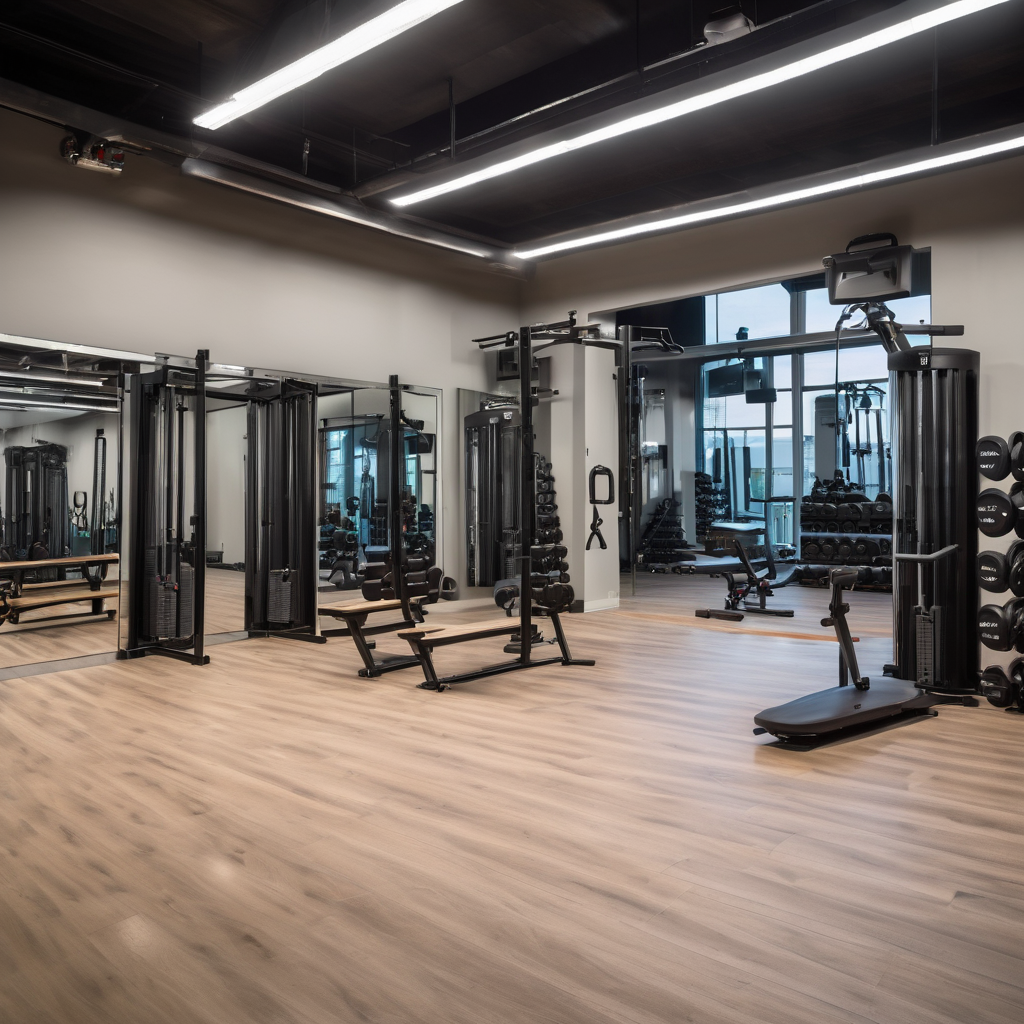
Start by walking through the gym and identifying the main zones: free weights (dumbbells and barbells), machines (leg press, chest press, cable stations), and the functional training area. Knowing where things are makes the space feel less overwhelming. Choose the zone that appeals to you most — if dumbbells draw you, start there; if machines feel safer, that’s your entry point. Spend your first few visits getting comfortable with that one area and the same movements. The facility layout shown here represents how most gyms are organized. Learn where each type of equipment lives.
Once you know the layout, watch this beginner’s tour to see how equipment connects to actual movements:
Things That Stop People
- I don’t know how heavy to go. How do I pick a weight?
- Start light. If you can do 15 reps easily, go heavier next time. If you can barely hit 8, drop down. You’re looking for a weight where reps 12–15 feel genuinely hard but doable. That’s your starting point.
- I’m worried I look ridiculous. Everyone’s watching, right?
- They’re not. Everyone in the gym is focused on their own workout. The person on the machine next to you is thinking about their own form, not judging yours. Beginners are normal. You belong there.
- Some of this equipment hurts or feels wrong. Is that normal?
- Pain is a signal to stop. Soreness 24–48 hours later is normal. Discomfort during the exercise usually means form needs adjustment or the weight is too heavy. Pause and check with a trainer.
- The machines all have confusing diagrams. Do I really need to follow them exactly?
- The diagrams show the intended range of motion. Follow it. Machines are actually the forgiving option for beginners — they guide your movement better than free weights do, so lean into that.
- I feel out of place. Everyone else looks fit. I feel like the only person starting from the beginning.
- You’re not. The person who’s strong now started exactly where you are. Every person in that gym was new once. The difference between a beginner and an experienced lifter is just weeks and months of showing up.
How to Approach This
Step 1: Walk the room your first day
Don’t work out. Just look around. Identify the dumbbell rack, the bench area, the machines, the barbell racks. Let your eyes get used to the layout. Anxiety drops when a space stops being unfamiliar.
Step 2: Start with what feels least intimidating
If the dumbbell area feels less scary than the barbell section, start there. If machines feel safer than free weights, use machines. Your comfort matters more than some ideal progression. You’ll expand from wherever you feel confident.
Step 3: Ask for help once
Grab a trainer once during your first week and ask them to show you how to set up one piece of equipment and do one movement with proper form. This takes 5 minutes and gives you a reference point for everything else you try.
Step 4: Do the same movements for at least two weeks
Repetition builds familiarity faster than variety. Pick 5 movements (dumbbells, machine chest press, leg press, cable pull, machine row — whatever feels doable). Do them 3 times a week for two weeks. Then change it up if you want. By then the space will feel normal.
The equipment is just a tool. It doesn’t care if you’re new. It just responds to what you ask it to do. That’s all you have to learn.