Sports Nutrition Basics: Fueling Your Fitness
What you eat before and after your workouts matters less than people think, and what you eat across the whole day matters more. A lot of fitness advice focuses on the meal timing and macros around your training session — the pre-workout carbs, the post-workout protein window, the hydration strategy. Those things are real. But they are also secondary. They optimize something that is already solid. They do not fix something that is broken.
You cannot out-supplement a bad diet any more than you can out-train one. The foundation is total daily protein, total daily calories, and regular meals. Everything else sits on top of that.
This page covers the actual nutrition framework that every credible fitness source uses, stripped of the supplement marketing and the fads.
What Actually Affects Your Performance and Recovery
| Nutritional Factor | What It Does | Realistic Priority |
|---|---|---|
| Total daily protein (roughly 0.7–1 g per pound of body weight) | Provides amino acids for muscle repair and adaptation after your training stimulus | Critical — this is non-negotiable if you’re strength training or doing high-volume work |
| Total daily calories (meeting your energy needs) | Supplies the fuel for training intensity and recovery; also regulates hormone levels that support muscle growth | Critical — under-eating tanks performance and recovery no matter what else you do |
| Carbohydrate timing around training | Provides glucose for high-intensity efforts; replenishes muscle glycogen post-workout | Important for intense efforts, irrelevant for low-intensity training |
| Fat intake (roughly 0.25–0.4 g per pound of body weight) | Supports hormone production, nutrient absorption, and satiety | Critical — but most people naturally hit this if they eat real food |
| Hydration during training | Prevents performance drop-off during sessions over 60 minutes; regulates body temperature | Important during long or intense sessions; most casual training doesn’t require much beyond normal water intake |
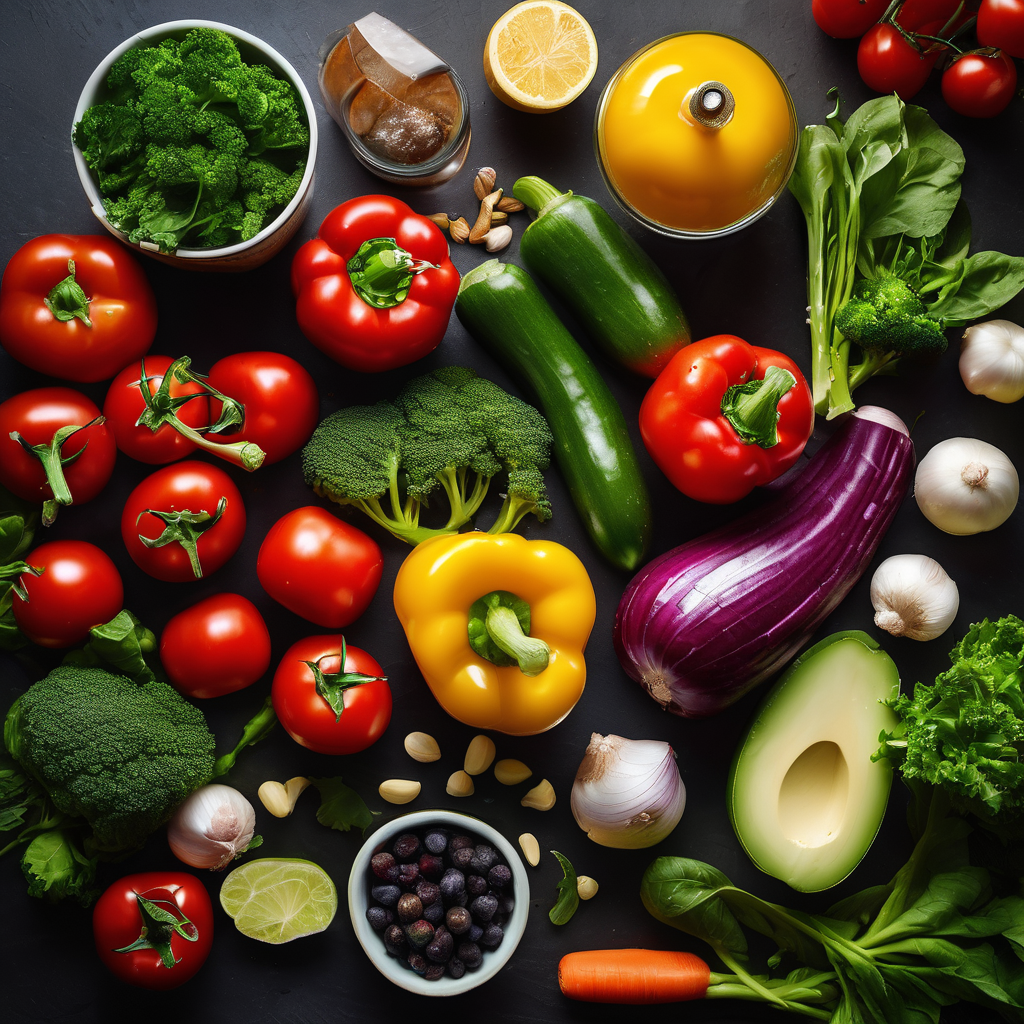
| Micronutrient density (fruits, vegetables, whole grains) | Supports every physiological function including energy production, immune function, and adaptation | Critical — malnutrition in micronutrients will limit performance no matter what else you optimize |
How to Start — and What You Can Leave for Later
Week 1: Establish total daily protein. Count your grams this week. Aim for the 0.7–1 g per pound target. You will find that you’re already under it. Most people are. Bring it up by adding a protein source at one meal per day — chicken, fish, eggs, Greek yogurt, cottage cheese, tofu, lentils. Use any tracking app if you want precision; eyeballing portion sizes works too if you stay consistent.
Week 2–3: Eat regular meals. Once protein is addressed, make sure you’re eating often enough. Three meals a day works. So does five smaller ones. Consistency matters more than frequency. If you’re skipping lunch and then overeating at dinner, your hormone levels and energy fluctuate all day.
Week 4: Look at total calories. You don’t need to track everything forever. But spending one week logging what you eat shows you whether you’re in a deficit, surplus, or maintenance. That number drives whether you’re gaining, losing, or staying stable. It also drives your training capacity and recovery.
Later: Meal timing and carb cycling. Once the above is solid, then you can experiment with carbs before your workout or protein after it. It will make a difference. But it will make a difference of maybe 5–10 percent, and that only if the foundation is already there.
The Two Drinks That Actually Matter
Water and coffee. Not energy drinks, not pre-workout formulas, not BCAAs.

Drink water throughout the day and especially around your workouts. A rough starting point: half your body weight in ounces. If you weigh 150 pounds, aim for 75 ounces. More if you’re training hard or live somewhere hot.
Coffee (or tea) before training works because caffeine does three things: it improves alertness, it improves muscle contraction, and it makes hard effort feel less hard. That last one is real. The dose that matters is roughly 3–5 mg per kilogram of body weight, which for most people is one decent cup. Timing it 30–45 minutes before your training session gives you the peak effect during the work.
Everything else — pre-workout mixes, energy drinks, supplement shakes — is built on top of those two and solving problems that food solves better. If you’re hungry before training, eat something. If you’re tired, sleep more. If you want more muscle, eat enough protein.
Common Questions
Do I need a protein shake? No. They’re convenient. They’re not necessary. Whole food — chicken, eggs, Greek yogurt, cottage cheese — has the same amino acids plus micronutrients the shake doesn’t. Use shakes for convenience on busy days, not as your primary protein source.
How soon after training do I need to eat? Within a couple hours is fine. The “anabolic window” exists but it’s wider than supplement marketing suggests. Eating a full meal within two hours of training gives your body the fuel and amino acids it needs to recover. Whether that meal is 15 minutes or 90 minutes after you finish training matters less than whether you ate it at all.
Do carbs make you fat? No more than any other calorie source. Fat and protein have the same calorie density as carbohydrate doesn’t — 9 calories per gram for fat, 4 for protein and carbs. Eating too much of any of them puts you in a surplus. Eating the right amount of all three, distributed throughout the day, supports training and recovery.
Should I count macros? Not forever. But spending one or two weeks counting teaches you what a serving of chicken actually looks like, what a real portion of rice is, and whether you’re hitting your targets. Most people benefit from that awareness. You can eyeball it after you know what you’re aiming for.
The Actual Takeaway
Your performance and recovery improve when you eat enough total calories, hit your daily protein target, include vegetables and whole grains, and drink water throughout the day. Everything else — the supplement timing, the carb ratios, the special blends — optimizes the system that’s already working. Get the foundation right first. Then optimize.